Overview
Verias (under Siftlogic) was assigned by Naardic to improve their fitness program delivery through an interactive, real-time conferencing platform. This was a stretch—live streaming and video conferencing was uncharted territory for me. I integrated the LiveSwitch WebRTC library into a React frontend serving a Ruby on Rails backend, while showcasing React's capabilities to the client.
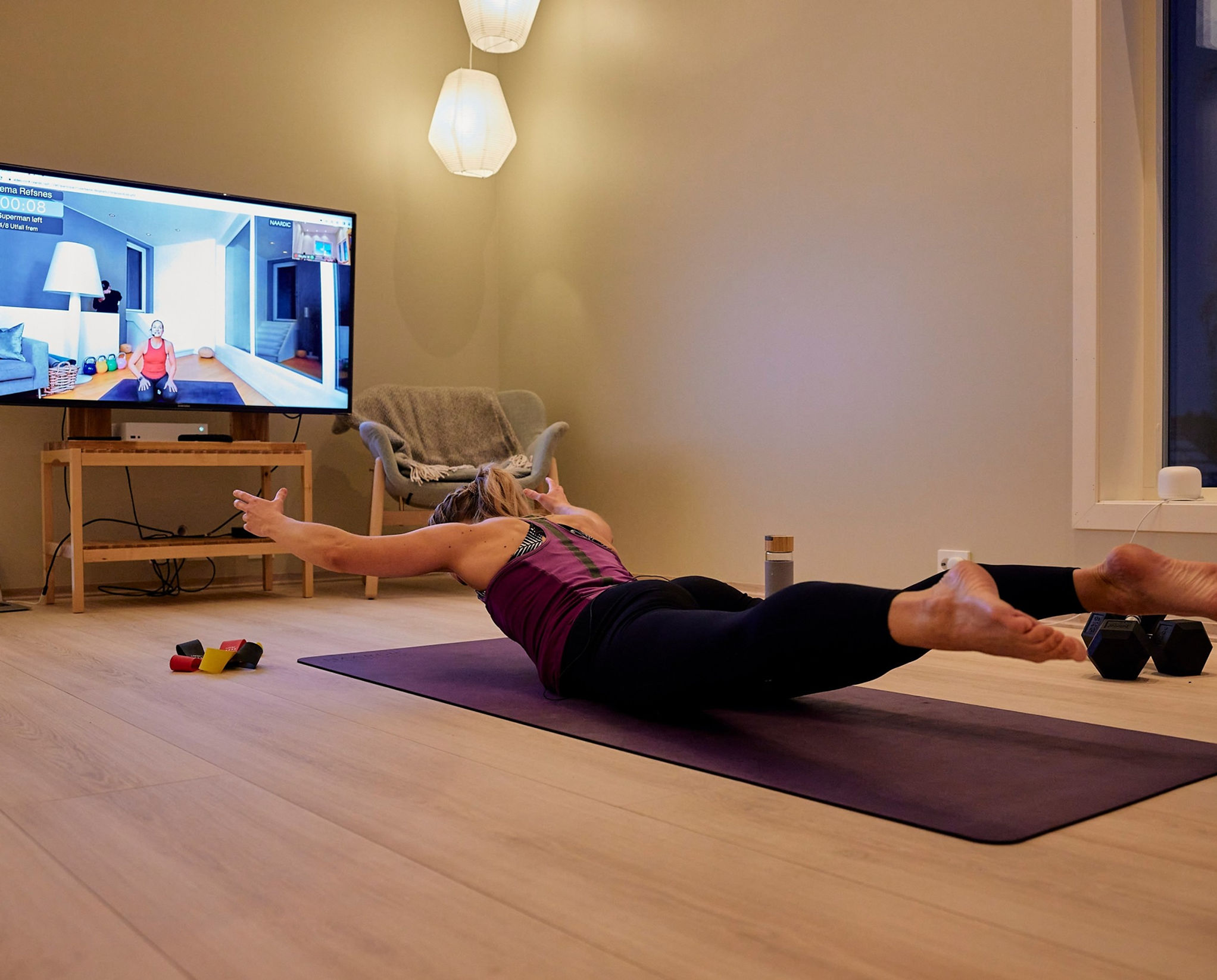
The project brought cutting-edge fitness technology to life, merging physical instruction with off-site participation while keeping the personal touch essential to fitness sales.
The Challenge
Naardic's requirements for the fitness industry:
- Real-time video: High-resolution streaming for fitness instruction
- Interactive features: Chat, reactions, participant management
- Scalability: Multiple sessions, varying participants
- Cross-platform: Consistent experience across all devices
- Low latency: Real-time instruction with minimal delay
Technical Constraints
- Unknown Territory: Live streaming was completely foreign
- LiveSwitch Integration: Complex WebRTC library with minimal documentation
- React Showcase: Demonstrating modern React to the client
- Rails Backend: Implementing real-time streaming in Rails architecture
Solution Architecture
WebRTC Implementation
Designed hybrid architecture using both peer-to-peer and server-mediated communication. Implemented cutting-edge LiveSwitch integration handling peer connections, media streaming, and real-time communication while learning from scratch.
React Frontend
Built responsive, component-based interface demonstrating modern state management, component composition, and hooks—showcasing React's capabilities for future projects.
Ruby Backend & Signaling Server
Implemented reliable signaling server using Ruby and WebSockets. Rails backend managed session management, user authentication, and LiveSwitch configuration within Naardic's established architecture.
Technical Achievements
Performance Optimizations
- Adaptive Bitrate: Video quality adjusts based on network capability
- Audio Processing: Noise cancellation and echo cancellation
- Connection Resiliency: Automatic recovery while saving session state
- Resource Management: Efficient usage in time-consuming video sessions
Scalability Solutions
- Multi-server Architecture: Horizontal scalability across signaling servers
- Redis Clustering: Distributed session control across database instances
- PostgreSQL Optimization: Efficient user management
Results
Successfully delivered a complex real-time video platform outside my previous experience:
- LiveSwitch Integration: Adapted WebRTC library with limited documentation
- React Demonstration: Proved modern React capabilities for future projects
- Rails Integration: Seamlessly integrated streaming into existing architecture
- Cross-Platform Success: Consistent fitness instructor experience across devices
Key Learnings
- Rapid Learning: Developed methodology for rapid technical skill acquisition
- Video Streaming: Learned real-time media delivery across multiple servers
- Comfort Zone: Demonstrated fulfilling results come from stepping into new technical areas
This project shows that leaving the comfort zone leads to success. Rapidly acquiring skills through competent development and research resulted in a successful platform enabling wider technology adoption.